














PWA development services that turn your website
into a product people install, revisit, and use offline.
One codebase, no release cycles, no store approvals.

App experience,
without
the app store

Get a free consultation
50%+  Faster load
iOS + Android  One codebase
Zero  App store delays

The mobile app
that nobody installs

Building a native app is the easy part. Getting people to download it,
update it, and open it more than twice — that's where budgets disappear.

Install friction kills the funnel

Install friction kills the funnel

Users won't leave your site, find your app, wait for a download, and sign in again. Most drop off before step two.

Two platforms, two teams, two bills

Two platforms, two teams, two bills

iOS and Android need separate codebases, separate specialists, and separate release cycles. The cost doubles before the first feature ships.

Every update waits for approval

Every update waits for approval

A hotfix can sit in review for days. Your users keep hitting the bug you already fixed.

Nobody finds you in the store

Nobody finds you in the store

App stores hold millions of listings and no search traffic worth counting. Your website ranks — your app doesn't.

What our PWA
development covers

From a full build to turning what you already have into an installable app — pick the entry point that fits where you are.

icon

PWA development from scratch

Design, architecture, and build of a progressive web app around your product logic.

icon

Website to PWA conversion

Keep your site and your rankings. Add offline access, install prompts, and app-like speed on top.

icon

eCommerce PWA

Storefronts that load fast on weak connections and keep carts alive when the network drops.

icon

Offline & performance engineering

Service workers, caching strategy, and Core Web Vitals work that survives real-world conditions.

icon

Push notifications & re-engagement

Bring users back without paying for app installs or fighting store notification limits.

icon

PWA audit & consulting

Not sure a PWA fits your case? We assess your product and tell you when it doesn't.

From audit to launch in weeks,
not quarters

A PWA doesn't need a year-long roadmap. Here's the path from first call to a product your users can actually open.

01 — Discovery

icon

We map your traffic, devices, and where users drop off. That tells us what the PWA has to fix.

02 — Feasibility check

icon

What a PWA can and can't do on your target devices. You get the answer whether or not you hire us.

03 — Architecture

icon

Caching strategy, service worker scope, install flow. Approved before anyone writes code.

04 — Build & test

icon

Two-week sprints with a working build at the end of each. Tested on real devices, not just Chrome DevTools.

05 — Launch & measure

icon

We ship, then watch install rates and load times for the first weeks. Adjust what the data asks for.

Work that speaks for itself

Real projects, real outcomes. Browse our full portfolio for more.

See all cases
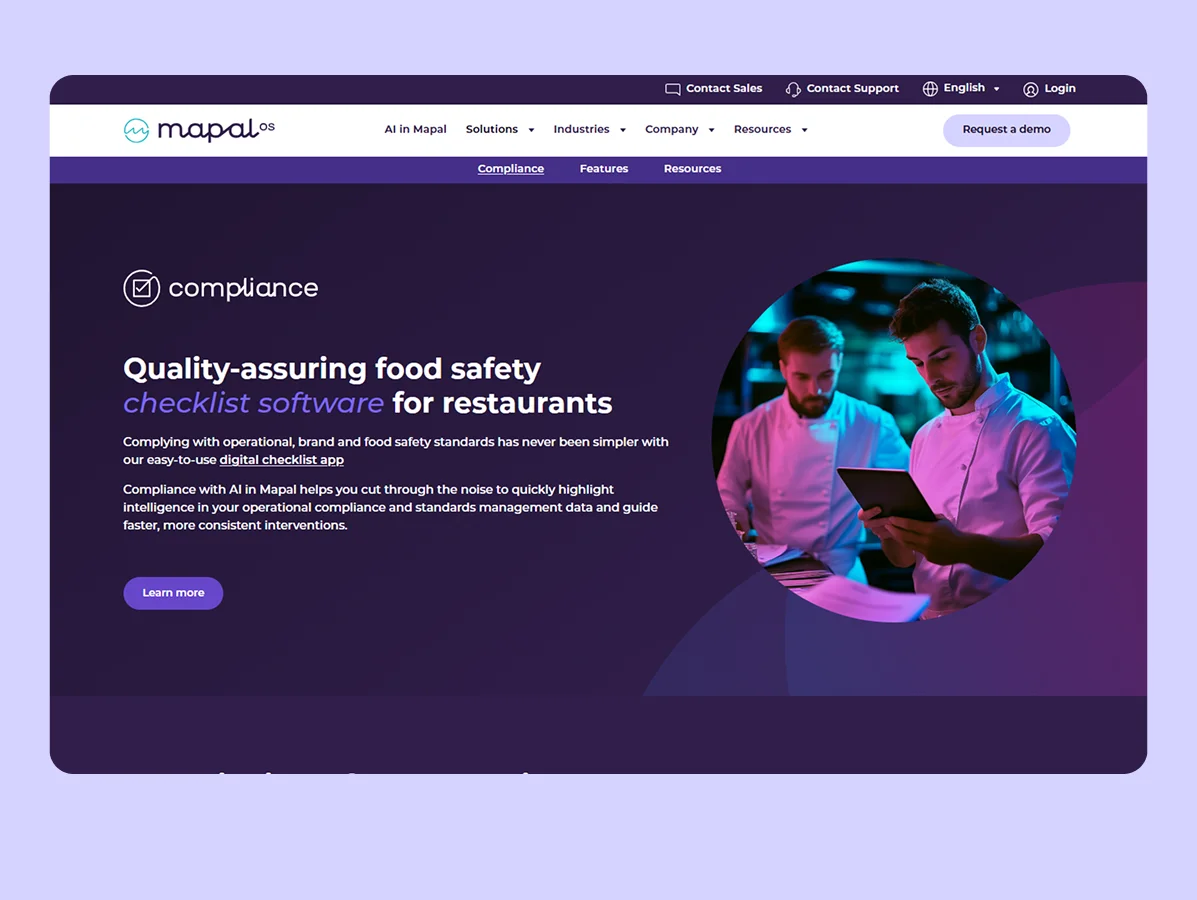
Compliance by MAPAL
#saas
#.net
#android
#angular
#azure
#c#
#ios

Sweden

Compliance by MAPAL

Compliance management platform for task creation and monitoring
Our work covered both web and mobile: redesigning the existing system, developing new functionality, revamping the API, and building the iOS and Android versions.
View case study
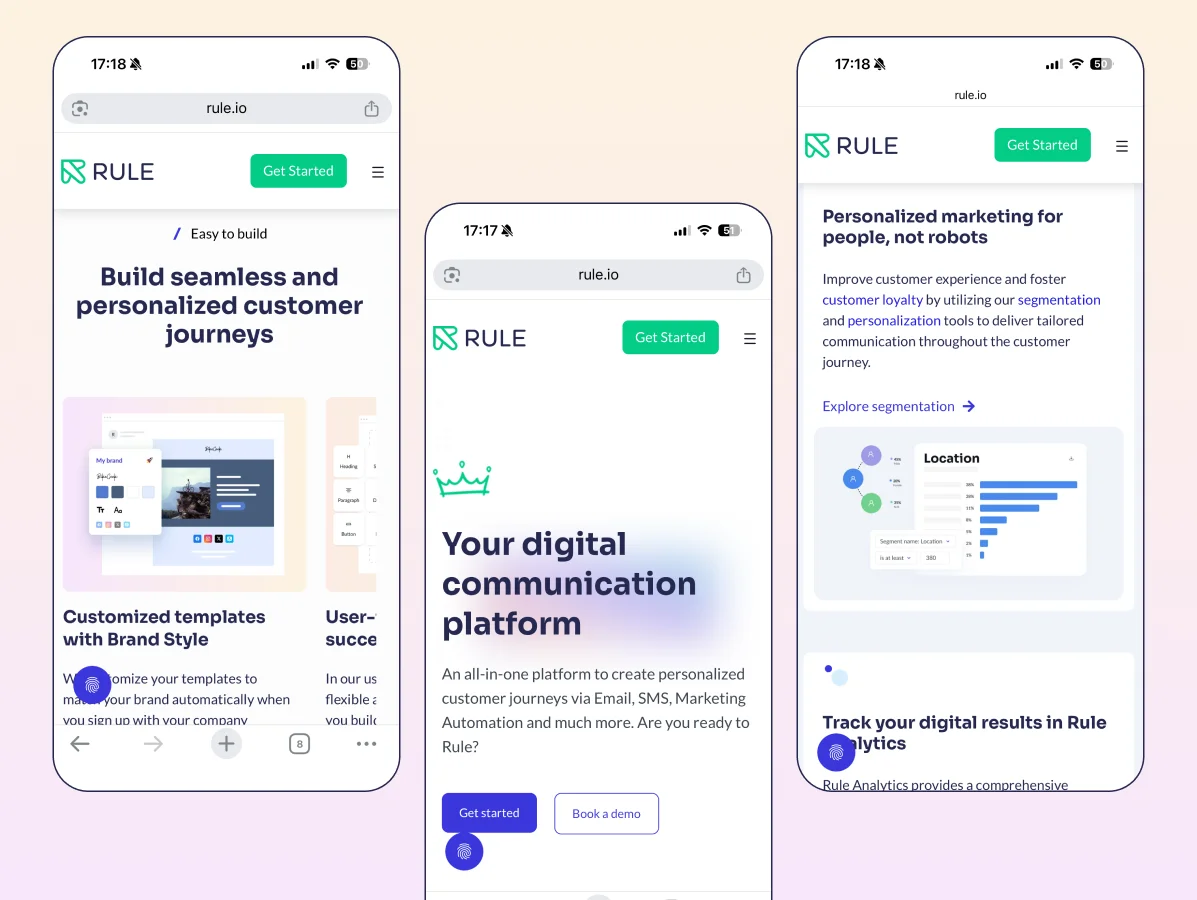
Rule
#adtech
#angular
#laravel
Sweden

Rule

Marketing automation platform for email and SMS campaigns
RuleMailer was already in use, with key functionality still to add. Our development team worked on the Template Editor, external integrations, subscriber communication, and campaign statistics.
2×
Development Speed
~50% lower
Development Costs
Stable
Under Growing Demand
View case study
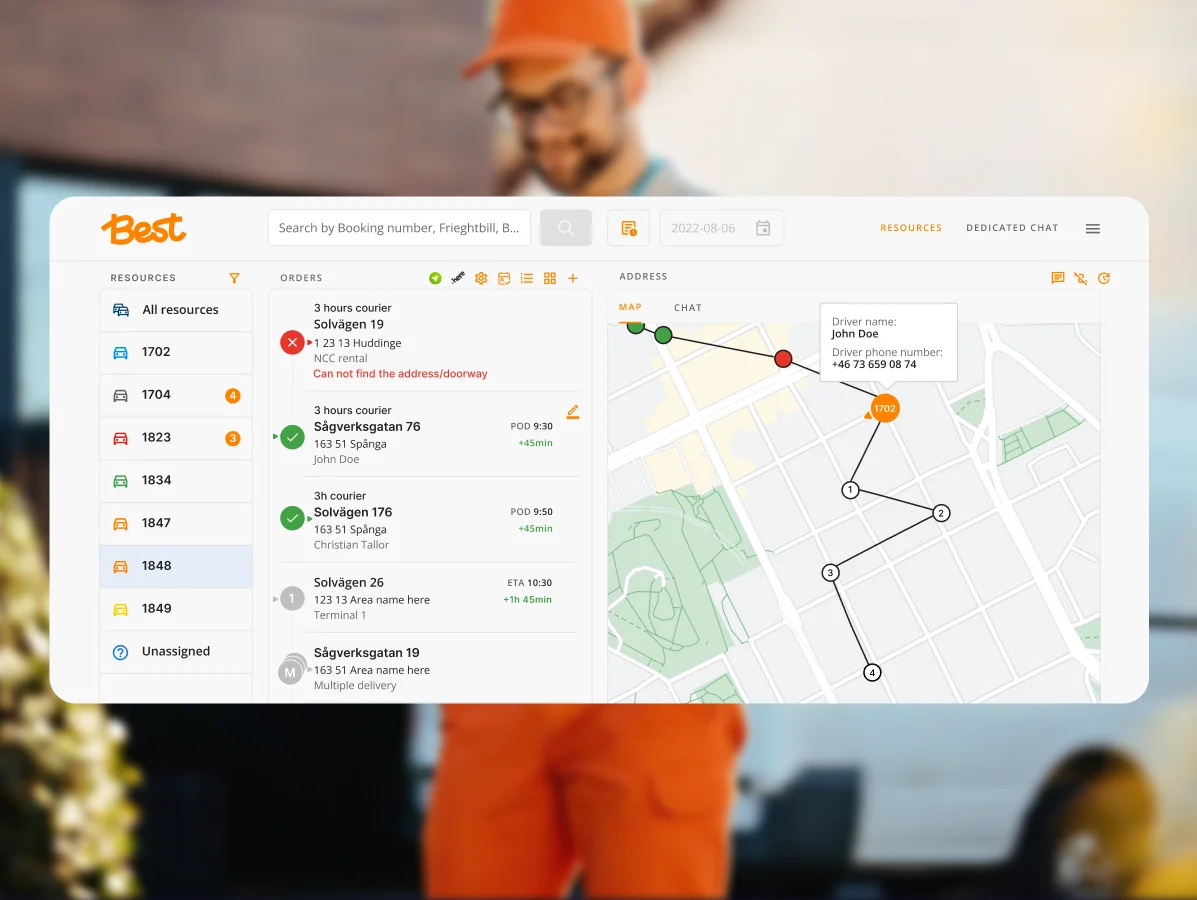
Best Driver
#logistics
#python
#react
#react native
Sweden

Best Driver

Mobile app for drivers and web portal for traffic managers
Best Driver combined a mobile app for drivers with a web portal for traffic managers. Our team worked on order management, route optimization, live tracking, messaging, and Sync integration.
View case study

Why teams pick us for PWA work

image
Our engineers build both. Nobody has to translate between a web team and a mobile team to get a PWA out the door.

image
Some products genuinely need native. You'll hear that from us before you spend a budget finding out.
image
Long enough to have seen which shortcuts come back later. Most of our work comes from returning clients and referrals.
image
Warsaw, Kyiv, and Stockholm. Your morning meets our afternoon, so questions don't wait a day.
Vilmate
Not sure a PWA is the right call?
Tell us what you're building. We'll say straight up whether a progressive web app fits
— or whether you need something else.
Get a consultation

The stack behind
your PWA

AWS-icon
AWS
Azure-icon
Azure
Cloudflare-icon
Cloudflare
Firebase-icon
Firebase

Let's find out if
a PWA fits

Tell us about your product and where users drop off.
We'll come back with an honest read on whether
a progressive web app solves it — and what it would take.
Prefer a call?
Pick a time that works for you.
Book a call


    Questions clients ask
    before they start

    Three things under the hood: a service worker that caches assets and handles offline behaviour, a web app manifest that defines how the app installs and looks on the home screen, and HTTPS. Everything else — push notifications, background sync, offline storage through IndexedDB — sits on top of that base.
    No. A PWA opens in the browser like any website. If someone visits often, the browser offers to add it to their home screen, and from then on it opens full-screen without the address bar. Installing is optional, not a gate.
    The opposite, usually. A PWA is still a website, so it stays indexable — and the speed work that goes into one tends to lift Core Web Vitals. The catch is rendering: if content only appears after JavaScript runs, crawlers can miss it. We handle that with server-side rendering or pre-rendering.
    Google Play, yes — Android supports wrapping a PWA through Trusted Web Activity, and it behaves like a store listing. Apple is stricter; a plain PWA won't pass review, so it needs a native wrapper. Whether that's worth doing depends on how much your audience actually searches the stores.
    Bluetooth pairing, deep hardware access, background location, some payment and biometric APIs — support varies, and Safari lags behind Chrome on several. If your product depends on any of those, we'll tell you upfront that native is the better call.
    Converting an existing site usually runs 4 to 8 weeks. Building from scratch depends on scope — a focused product takes about 3 to 4 months. The feasibility check comes first either way, and that's a matter of days.
    Often yes, and it's the cheaper path. Your URLs, content, and rankings stay where they are. We add the service worker, manifest, and caching layer on top, then fix whatever performance issues surface along the way.
    Within limits. Cached pages, saved data, and forms that queue up until the connection returns — all of that works. What can't work offline is anything needing live data, like real-time inventory or payment processing. We agree on what gets cached during architecture.

    Latest insights

    Taking Your Store Abroad? A Guide to E-commerce Localization
    November 25, 2026
    Anastasiia Rezinkina
    Taking Your Store Abroad? A Guide to E-commerce Localization #E-commerce
    You finally find it. That one thing you’ve been searching for everywhere, and it’s actually in stock. The price looks good, too. You open the store, ready to order, and can’t understand a word.  Fine, there’s always Google Translate. Then comes the fun part: figuring out the currency and choosing between payment methods you’ve never […]
    How to Choose a B2C E-commerce Platform for DTC Growth
    November 18, 2026
    Anastasiia Rezinkina
    How to Choose a B2C E-commerce Platform for DTC Growth #E-commerce
    The expensive part of choosing an e-commerce platform often shows up after launch. A B2C e-commerce platform may fit the store you have today, then become harder to work with as you add new sales channels, subscriptions, custom checkout rules, or connections to ERP and other systems. For DTC brands, the choice carries even more […]
    E-commerce Migration Checklist: How to Move a Live Store Without Breaking It
    November 11, 2026
    Anastasiya Nosych
    E-commerce Migration Checklist: How to Move a Live Store Without Breaking It #E-commerce
    You’re moving a live store while customers are in the middle of checking out. That sounds like a bad dream or bad planning, reminding us once again why an e-commerce migration checklist isn’t just a formality. It’s your safety net to keep orders, product catalogs, and traffic from disappearing mid-transition.  Our migration guide covers six […]