
BigCommerce Store Optimization


The client is a global leader in advanced materials that owns an apparel brand with an online store powered by BigCommerce. The company approached Vilmate to review and improve its e-commerce platform.
What started with a technical audit grew into a long-term partnership focused on stability, performance, and ongoing growth. Vilmate took technical ownership of the platform and assembled a cross-functional team covering BigCommerce development, architecture, QA, project management, UI/UX, and data engineering.
The challenge
When Vilmate joined the project, the client already had an e-commerce foundation on BigCommerce. To support long-term growth and operational efficiency, the client sought to enhance content management, streamline integrations, and establish a more consistent and reliable release process.
With frequent catalog updates and high traffic volumes, maintaining strong performance, scalability, and operational efficiency became an important priority.
The client also needed a clear development direction that would combine short-term optimization steps with longer-term architectural initiatives, while giving internal teams more flexibility in managing and evolving the store.

Our approach
The work began with a comprehensive technical audit and continued around a clear development direction defined together with the client.
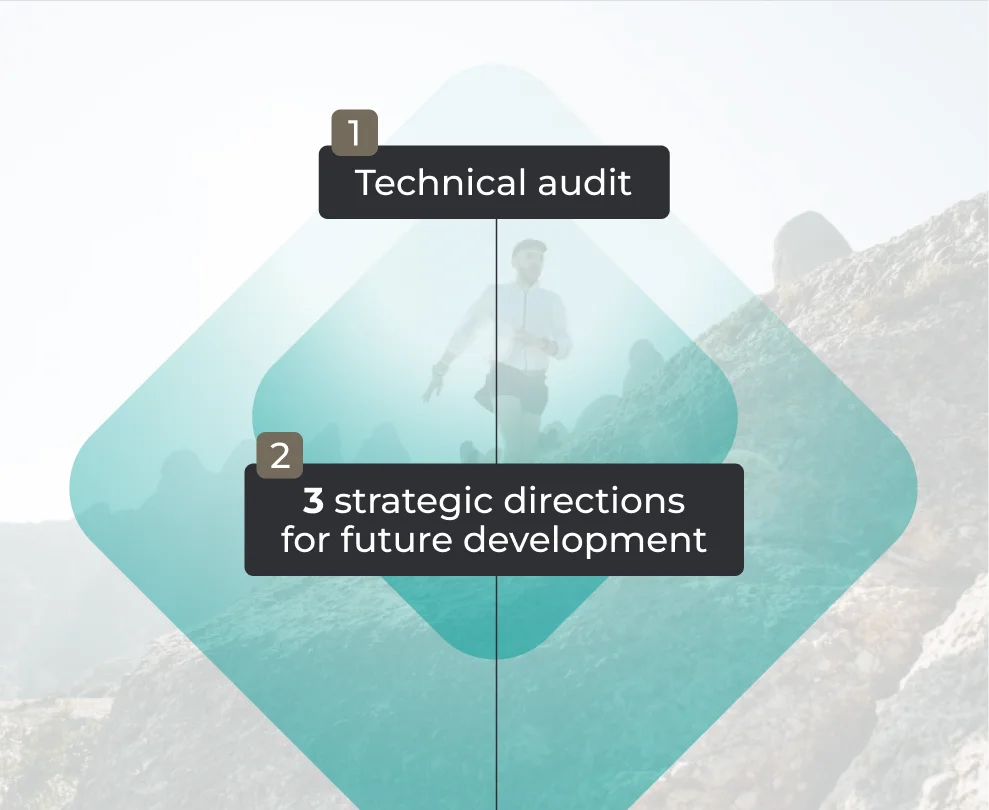
Started with a technical audit
We began by reviewing infrastructure, code quality, integrations, deployment processes, and development workflows. This helped us understand how the platform operated and identify opportunities to support future growth.
Presented strategic options
Based on the audit, we proposed three strategic directions for future development. After reviewing the options together, the client chose the most pragmatic path: continue supporting the existing platform while gradually preparing its architecture for a transition to BigCommerce Catalyst.
Planned short- and long-term work together
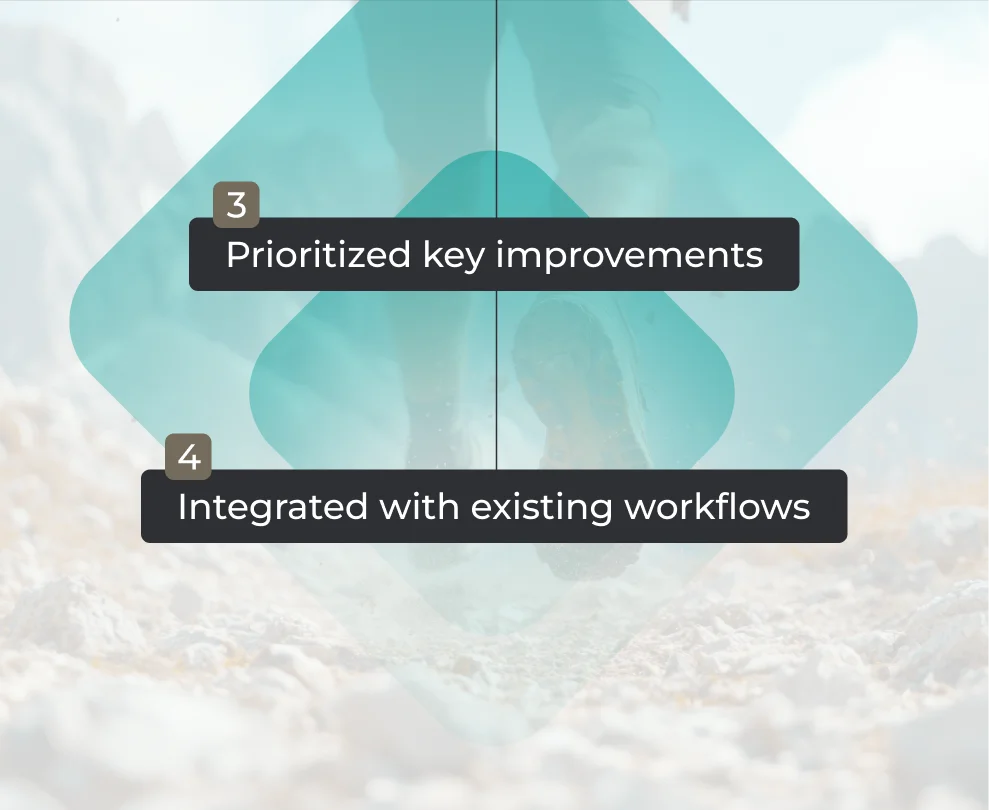
We prioritized key improvements together with the client and prepared a development roadmap combining short-term optimization steps with longer-term architectural initiatives.
Integrated with existing workflows
Vilmate assembled a cross-functional team that quickly integrated with the client’s existing workflows and began delivering steady improvements.
The solution
The work covered product data management, storefront UX, platform modernization, cloud infrastructure, and development processes.
Product data integration
Previously, creating new products involved manual duplication across multiple systems, which was time-consuming and prone to errors. We developed an integration that enables product data to be created once and reused across systems through a simple interface.
The integration reduced manual work for content teams, improved catalog consistency, and made product updates quicker and more consistent.
Storefront UX
Working closely with the client’s business team, Vilmate redesigned key user flows and improved the overall shopping experience.
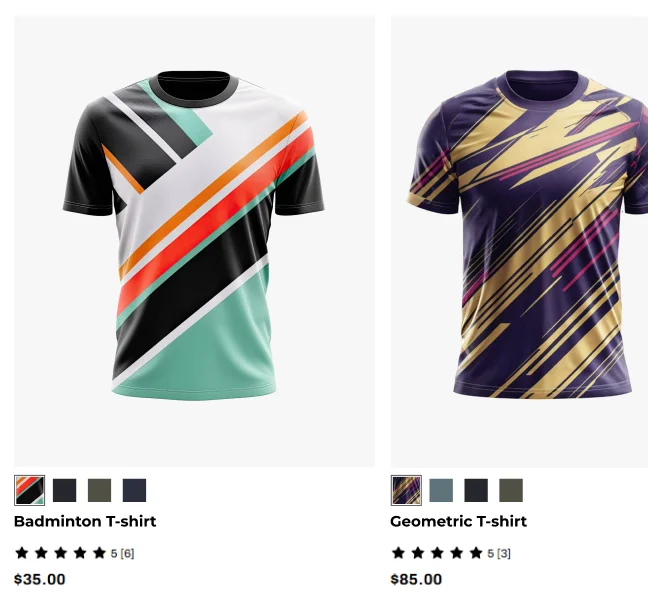
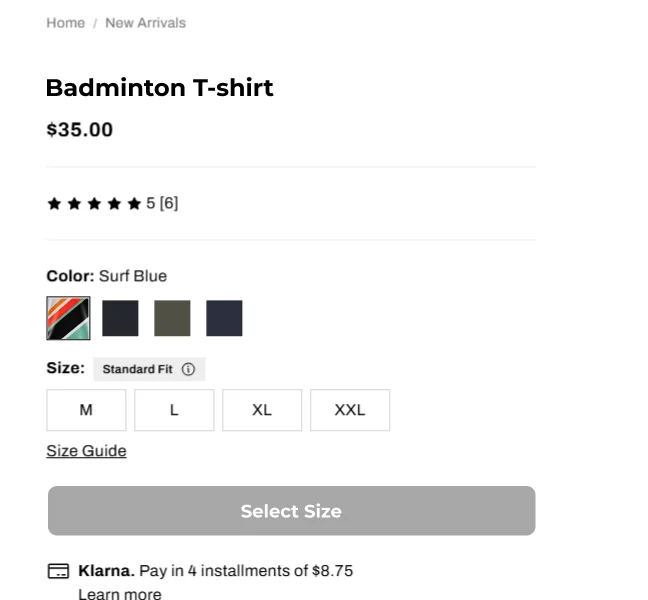
The scope included designing and implementing new flows for PLP and PDP, along with introducing more intuitive menu navigation.
Platform modernization
The team strengthened the platform’s technical foundation by modernizing the codebase, documenting existing solutions and requirements, refining the system architecture, and addressing areas that limited scalability and stability.
The resulting platform became easier to manage and evolve, with stronger storefront performance.
Cloud infrastructure
The team reviewed the client’s cloud infrastructure and monitoring setup across AWS, Vercel, and Datadog.
The resulting improvements increased platform reliability and highlighted further opportunities for infrastructure cost optimization.
Integration workflows
The team replaced a cron-based legacy system with an event-driven architecture. Order updates are now processed in seconds instead of minutes, making integration workflows smoother and more consistent.
Development processes
Jira was introduced for issue tracking, while collaboration workflows between product owners, developers, and QA engineers were clarified and structured.
Automated testing and a structured deployment pipeline made releases faster and more reliable, giving the team greater visibility and control over the development process.
Ongoing development
Our collaboration has since expanded, with a dedicated UI/UX team and data engineer joining the project. The next stage focuses on improving the buying experience through UX updates and making everyday work easier for the client’s back-office teams managing content, pricing, and inventory.
