















Cloud migration, architecture,
and cloud-native development
for product teams

Move
to the cloud
without any chaos

Schedule a consultation
14+  Years
150+  Projects
AWS · Azure · GCP 

Cloud services
we cover

icon

Cloud Migration

Move workloads from on-premises or legacy systems to AWS, Azure, or GCP with low downtime

icon

Cloud Architecture & Design

Set compute, storage, networking, and access controls around expected load and availability requirements

icon

Cloud-Native Development

Deploy containerized microservices on Kubernetes and scale each service independently

icon

Serverless & Functions

Run event-driven workloads on AWS Lambda with no servers to provision for each function

icon

Infrastructure as Code

Define cloud resources as code so changes can be versioned and reproduced across environments

Platforms & tools
we work with

AWS
Azure
GCP
Cross-platform
EC2-icon
EC2
Lambda-icon
Lambda
S3-icon
S3
RDS-icon
RDS
DynamoDB-icon
DynamoDB
EKS-icon
EKS
API Gateway-icon
API Gateway
CloudFormation-icon
CloudFormation
CloudWatch-icon
CloudWatch
Virtual Machines-icon
Virtual Machines
Azure Functions-icon
Azure Functions
Blob Storage-icon
Blob Storage
Azure SQL-icon
Azure SQL
AKS-icon
AKS
Azure DevOps-icon
Azure DevOps
Azure Monitor-icon
Azure Monitor
Compute Engine-icon
Compute Engine
Cloud Run-icon
Cloud Run
Cloud Storage-icon
Cloud Storage
GKE-icon
GKE
BigQuery-icon
BigQuery
Cloud SQL-icon
Cloud SQL
Terraform-icon
Terraform
Docker-icon
Docker
Kubernetes-icon
Kubernetes
Helm-icon
Helm
GitHub Actions-icon
GitHub Actions
Ansible-icon
Ansible
Vilmate
Got a cloud project in mind?
Tell us what you’re working with. We’ll tell you what’s realistic.
Get in touch

What we build
in the cloud

eCommerce platforms
eCommerce platforms

Scalable storefronts and backends that handle traffic spikes, keeping the functionality fully available

SaaS products
SaaS products

Multi-tenant apps with isolated customer data and separate scaling for workloads that grow at different rates

Internal tools & portals

Cloud-hosted internal tools and portals with role-based access so company data can be accessed by the right people only

Data-heavy applications

Cloud pipelines, warehouses, and processing layers that add compute as data volume grows

Legacy modernization

Monoliths broken into services, outdated stacks migrated, cloud costs brought under control

Why Vilmate

Your Team, Not a Rotation
Speed Without Shortcuts
ISO-Certified Quality
Nearshore Advantage
image
You work with the same developers start to finish, preserving the important context and keeping the process uninterrupted.
image
Fast and clean aren’t mutually exclusive. We move fast, but not at the expense of code quality or architecture.
image
Our processes are ISO-certified. That means structured code reviews, clear documentation, and predictable delivery.
image
Based in Eastern Europe, we overlap with US and EU working hours, ensuring real-time collaboration without the timezone headache.

Selected work

Not all of these started in the cloud. Some of them ended up there.

See all cases
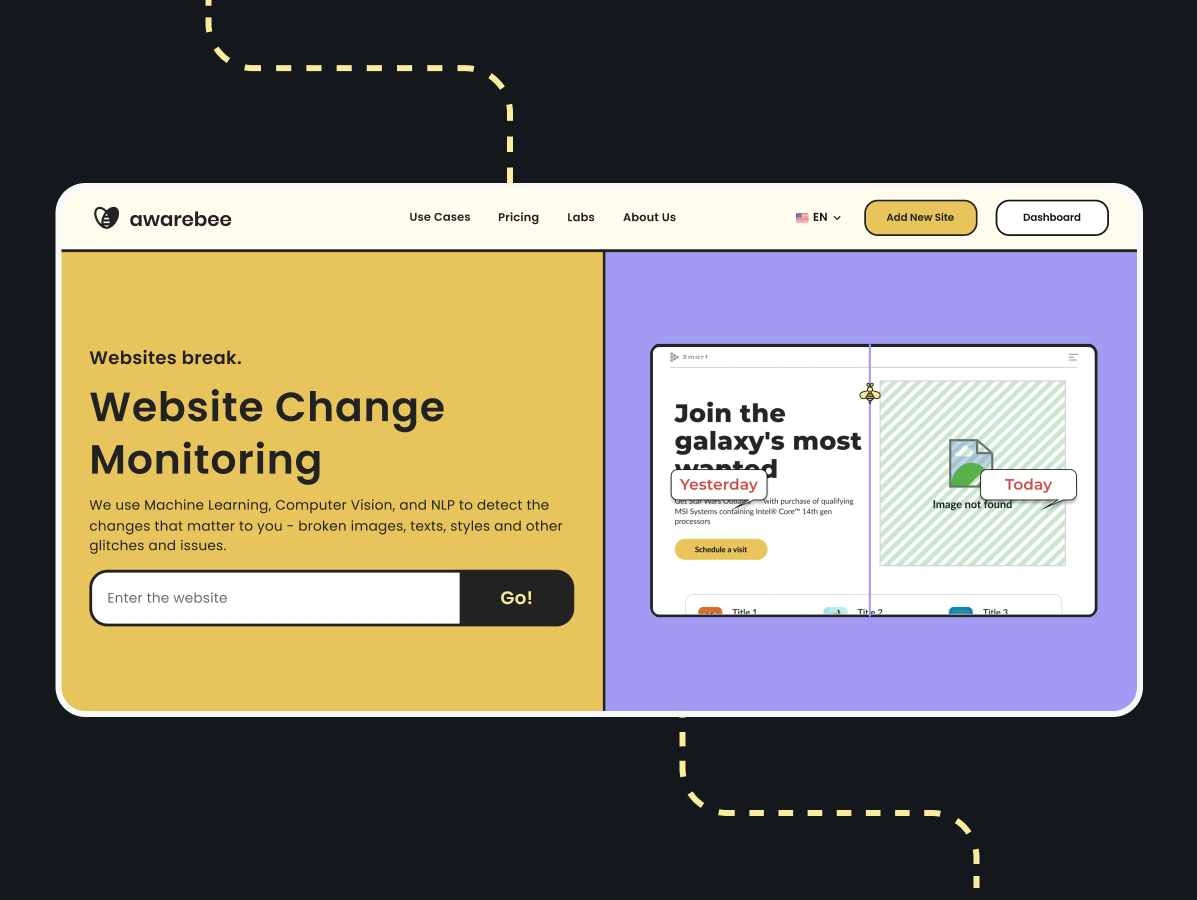
Awarebee
#ai
#saas
#tech
#wordpress

USA

Awarebee

Monitor website changes with AI
We worked on Awarebee’s SaaS platform, covering UX/UI, dashboards, subscriptions, branding, and a marketing website built around its existing monitoring functionality.
View case study
Rule
#adtech
#angular
#laravel
Sweden

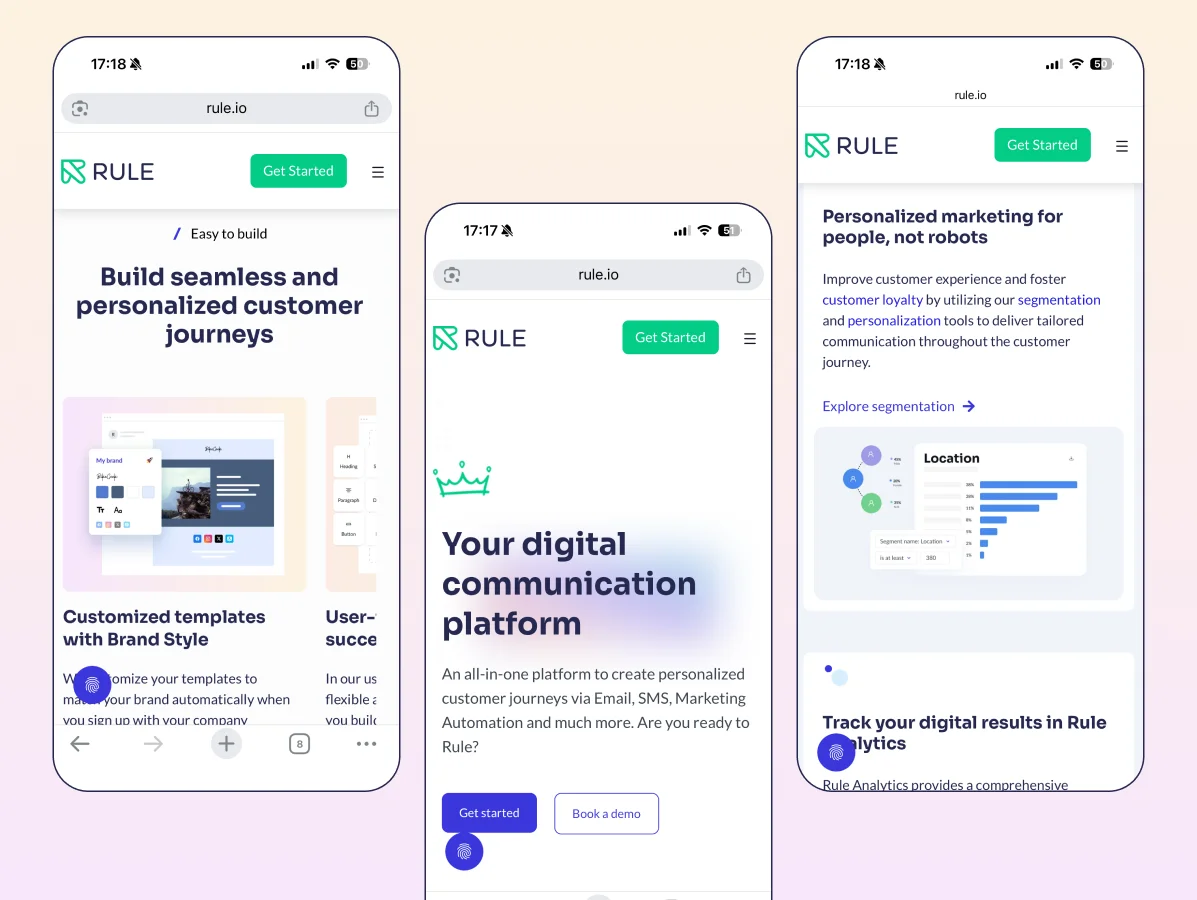
Rule

Marketing automation platform for email and SMS campaigns
RuleMailer was already in use, with key functionality still to add. Our development team worked on the Template Editor, external integrations, subscriber communication, and campaign statistics.
2×
Development Speed
~50% lower
Development Costs
Stable
Under Growing Demand
View case study
CoPatient
#healthcare
#angular
#aws
#heroku
#python
USA

CoPatient

Healthcare platform for medical bill review and negotiation
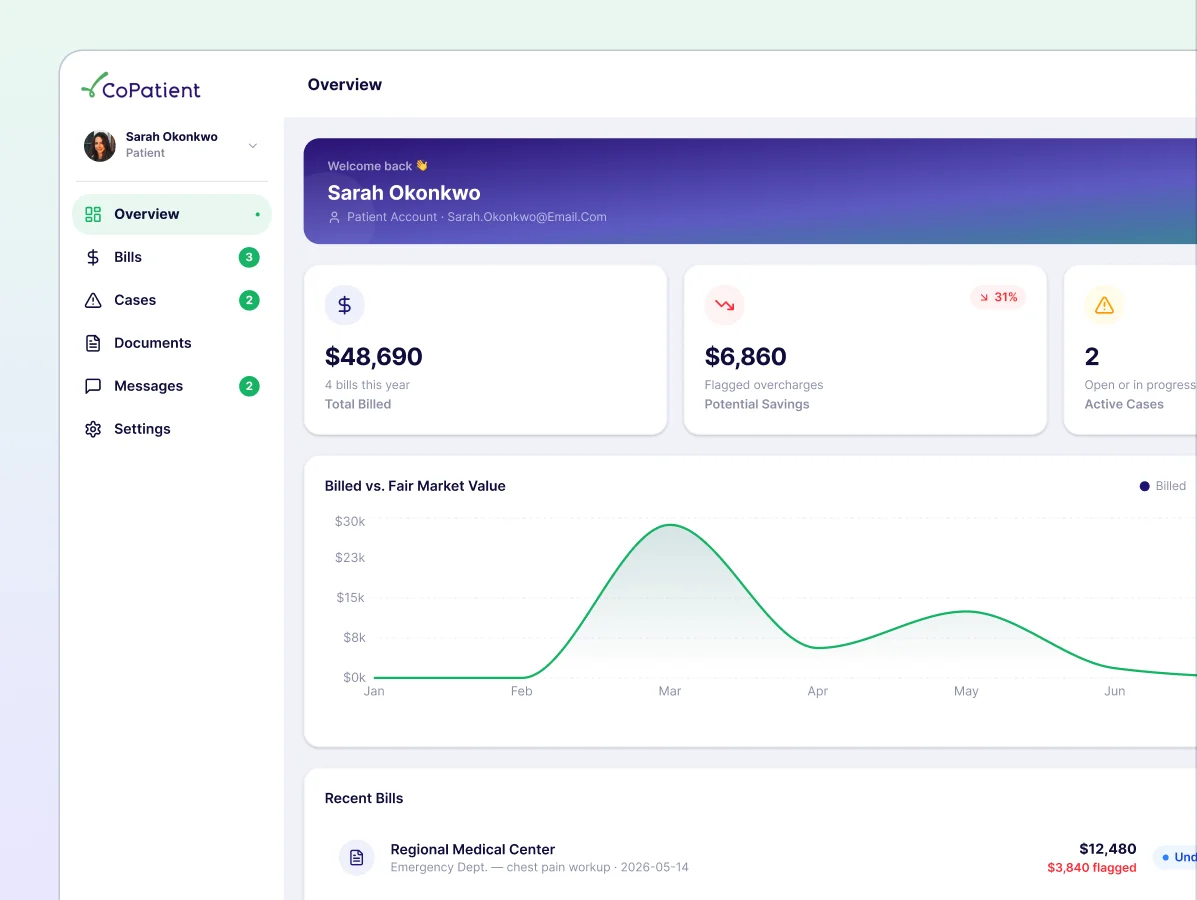
The CoPatient concept became a working web application for medical bill submission, review, negotiation, and online communication with consumer advocates and billing experts.
View case study

Questions clients ask
before they start

Which cloud platform should we use: AWS, Azure, or GCP?
It depends on your stack, team, and what you’re building. AWS is the safest default for most product companies. Azure makes sense if you’re already in the Microsoft ecosystem. GCP wins on data and ML workloads. We’ll help you pick based on your actual situation, focusing on the needs and expectations rather than a specific vendor.
How long does a cloud migration take?
A focused lift-and-shift for a mid-sized application usually takes 6–12 weeks. Re-architecting something more complex takes longer—sometimes months. The honest answer is: it depends on how much technical debt we’re working around. We scope it properly before committing to a timeline.
Do you handle infrastructure management after the migration?
We can, but it’s not our default mode. Most clients want us to build and hand off, with some ongoing support: on-demand bug fixing, updates, security patches, etc. We’re an engineering team, and our main task is to set things up so your team can run it confidently.
How do you approach cloud security and compliance?
It's built into architecture decisions from the start—with IAM policies, network segmentation, encryption at rest and in transit. For regulated industries we go deeper, but we don't treat security as an add-on. Also, Vilmate is ISO 27001 certified, meaning that all our development practices and flows match the internationally recognized industry standards.
We’re not sure what we need yet. Where do we start?
That’s actually the most common starting point. A short discovery call usually clarifies whether you need migration, re-architecture, or something in between. No preparation is required on your end, we’ll figure everything out during the conversation.

Don’t let
infrastructure
slow you down

Whether you’re planning a migration or building cloud-native from scratch, let’s figure out the right approach together
Prefer a call?
Pick a time that works for you.
Book a call


    Latest insights

    Order Management Software for Small Business: How to Choose the Right System
    September 23, 2026
    Inna Feshchuk
    Order Management Software for Small Business: How to Choose the Right System #E-commerce
    When order management in a Google Spreadsheet becomes problematic, most small business owners usually do the same thing: type “10 best OMS” in Google search, open up several tabs, and try to choose the winner by the number of stars on review pages.  These rating tables, however, rarely take into consideration your particular characteristics, such […]
    CRM and OMS: What Is the Difference and How to Make Them Work Together
    September 15, 2026
    Inna Feshchuk
    CRM and OMS: What Is the Difference and How to Make Them Work Together #E-commerce
    CRM and order management systems are two different systems that exchange data. They address different questions: it’s “Who is our client, and why are they buying this?” for the CRM and “What exactly has been ordered, and where is it now?” for the OMS.  These two systems are meant to complement each other, but in […]
    Defining OMS Requirements: A Practical Guide for E-Commerce Teams
    September 9, 2026
    Inna Feshchuk
    Defining OMS Requirements: A Practical Guide for E-Commerce Teams #E-commerce
    Building or selecting an OMS without a clear list of requirements is like building a house without a blueprint. Companies often focus only on order intake and overlook critical backend fulfillment, inventory synchronization, and less common order scenarios.  Avoiding these mistakes means distinguishing between business needs and the technical tools that fulfill them—which is why […]